Blueprint for a Methanol Society: Toward Carbon-Neutrality
01
CO2の排出源(世界)は、発電所 > 鉄鋼業 >
セメント業 > 化学工業の順であり、合わせると65%になります。一般に自動車のCO2排出が話題になりますが、自動車由来は20%以下です。したがって、実質的にCO2排出を削減するには、発電所や産業由来の大量のCO2排出問題を解決しなければなりません。すなわち化石燃料エネルギーから再生可能エネルギーへ転換しなければなりません。
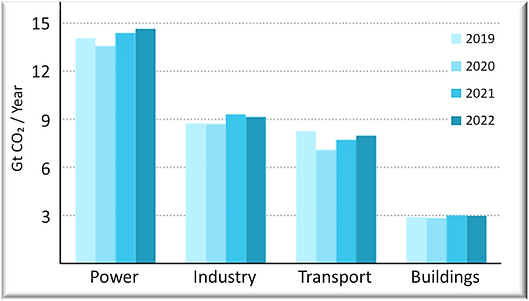
Power plants emit most CO₂.
-
Industry sector includes steel, cement, chemicals, etc.
-
Power & Industry account for 65% of all CO₂ emissions.
-
Cheap coal and oil are mainly used, but these must be replaced with renewable energy sources such as solar and wind power.
Problems with solar power generation

Renewable energy is essential!

Daytime only solar cells

People tend to discuss electric vehicles,
which is not the main issue.
Supplying electricity in a way that responds quickly to demand is important.
Artificial fuels are necessary.
Batteries are not enough.
02
水素社会が期待されている。
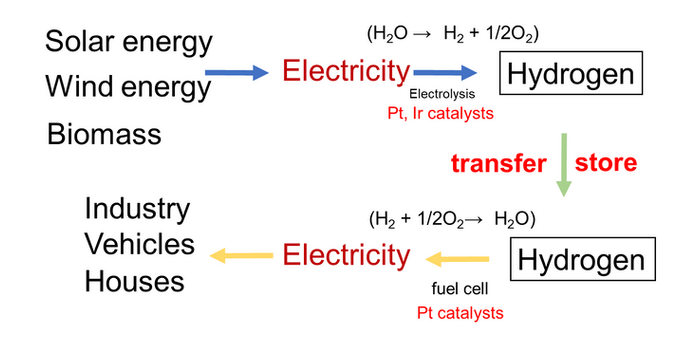
水素は、太陽電池や風力によって得られた電気で水を分解して作ることができます。この水素を燃料として貯蔵・運搬して、必要なところで電気や熱に変えることができます。その過程で水素は水に戻ります。一見、クリーンなイメージをもちます。
03
水素エネルギーキャリアの問題点
水素の問題は、運びにくく貯蔵しにくいということです。水素は常温で期待のため体積エネルギー密度が小さく、大きなタンカーでも、わずかなエネルギーしか運べません。そこで、水素をアンモニアやメタノールに変換してエネルギーキャリアにしようという試みがなされています。
Fossil fuels are cheap!
-
Oil is cheap because humans simply dig up oil and use it like water.
-
Isn't something wrong?


Spring water (~1 USD / L)
& Gasoline (~1 USD / L)
Artificial fuels are expensive!
アンモニアやメタノールなどのエネルギーゃリアは人工燃料です。石油、石炭、天然ガスは地下を掘れば得られます。要するに「ただ(無料)の燃料」です。ガソリンはかつてミネラルウォーターの値段と変わりませんでした。しかし、人工燃料はお金がかかります。これは覚悟せねばなりません。
Liquid H2
Ammonia
Methanol
液体水素がエネルギーキャリアとして検討されていますが、- 253℃まで冷却する必要があります。これに要するエネルギーは大きく、エネルギーキャリアとして能力の損失に相当します。さらに、液体水素を取り扱うためにはハイテクが必要であり、発展途上国を含む世界各地に緊急に導入することはほぼ不可能です。
アンモニアは水素と窒素から製造できます。(N₂ + 3 H₂ → 2 NH₃ )しかし、反応圧力は 100~300 気圧、反応温度は 400~500 ℃であり、反応に多くのエネルギーを要します。また、アンモニアの毒性は非常に高いため、大量のアンモニアを取り扱うための特別の技術が必要になります。
メタノールは、温室効果ガスであるCO2と水素から容易に合成できます。(CO₂ + 3 H₂ → CH₃OH + H₂O)。反応圧力 30~50 気圧、 反応温度 250~300 ℃と温和な反応条件でエネルギーロスが少ないです。CO2を直ちに削減できる点、既存技術で導入できる点、燃料利用・化学原料利用の点で実績があります。最も期待されるエネルギーキャリアです。
04
カーボンニュートラルを目指す中でどのエネルギーキャリアを選択するかが最も重要です。

Liquid Hydrogen(H2)
– 253 ℃!
Advanced technology is
necessary for handling liquid H2 .

Ammonia (NH₃)
Highly toxic!
Consumes a lot of energy
Advanced technology is necessary.

Methanol (CH₃OH)
Existing Technology!
Available at drug stores
Ready to use as fuels
05
“Proposal for Methanol Society
—Toward a Carbon-Neutral Society”

By Junji Nakamura and Masayoshi Ishida
Part I: What Are the Problems?
1. Global Warming and CO₂ Emissions
2. Energy Problems
3. Issues in Industry
4. Political Issues

Part II: What Path Should We Take? The Methanol Society
5. Why a Methanol Society?
6. Methanol as an Energy Source
7. Chemical Uses of Methanol
8. Progress Towards a Methanol Society


Part III: What Should We Do? Business, R&D, Policy, Philosophy, Education

9. Roadmap and Business Development of the Methanol Society
10. Technologies Expected in a Methanol Society
11. Catalytic Chemistry of Methanol
12. Future Perspectives
06
The energy and industrial uses of methanol have already been proposed by Nobel Prize winners in 2005.


07
Methanol synthesis from CO2 has been widely studied since the 1980’s.
Japan's national project to produce methanol from CO2 began in 1993 (RITE).

The CuZn alloy active site was
proposed in 1997.


08
A methanol society is promising.

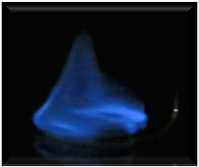
Advantage ① : A society where CH₃OH and CO₂ are recycled

Advantage ③: Methanol synthesis from CO₂ has already been commercialized.



Advantage ② : Already used as fuel, easy and safe to use, basic technology is established

Advantage ④: Can be converted to chemical raw materials
09
True innovation is cheap technology that can be used in developing countries!
Methanol synthesis conditions are relatively mild.


Waste wood & waste
plastics can be used.
Reaction temperature: 250℃, Reaction Pressure 30-80 atmosphere

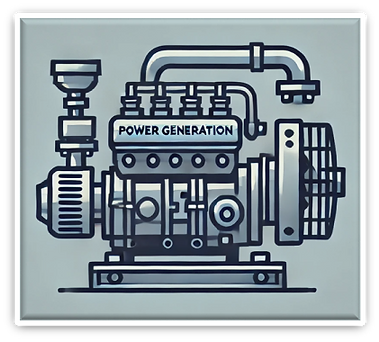
Engine with CO2 recycling
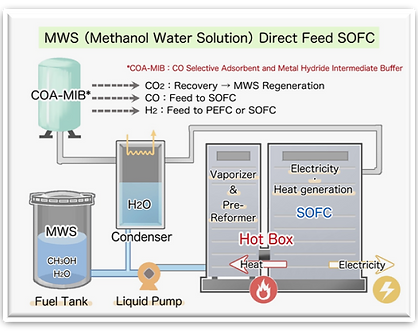
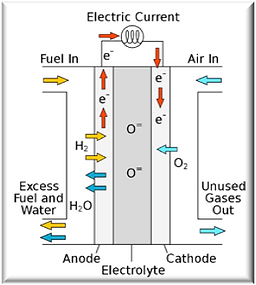
Fuel Cell (SOFC)